

Matthew Roch is an emerging filmmaker whose work is driven by a simple but powerful creative philosophy: art should be fun, honest, and revolutionary. After graduating college and turning down a stable career path, Roch chose to follow the only calling that ever made sense to him—cinema. Rather than chase security, he pursued joy, believing that a life spent making films would be far more meaningful than waiting for retirement to start living. Inspired by visionary directors like Christopher Nolan, Roch channels his fascination with psychological depth, moral conflict, and human complexity into every project he undertakes.
For Roch, true artistry is inseparable from personal expression and quiet rebellion. He believes that impactful art—whether film, music, or visual media—must carry the creator’s inner revolution, something genuine enough for audiences to feel instantly. In his view, the world’s conflicts cannot always be softened through art, yet art remains an essential voice for those seeking meaning, truth, and connection in turbulent times.
Roch has currently completed his latest film, Wacko, set to enter the 2025 festival circuit. A tense psychological thriller, the story follows two suburban families as envy, loss, and self-appointed justice spiral into a chilling tale of revenge. With Wacko, Roch continues to explore the emotional fragility and darkness that lie beneath ordinary lives—delivering the kind of gripping, character-driven storytelling that defines his growing body of work.
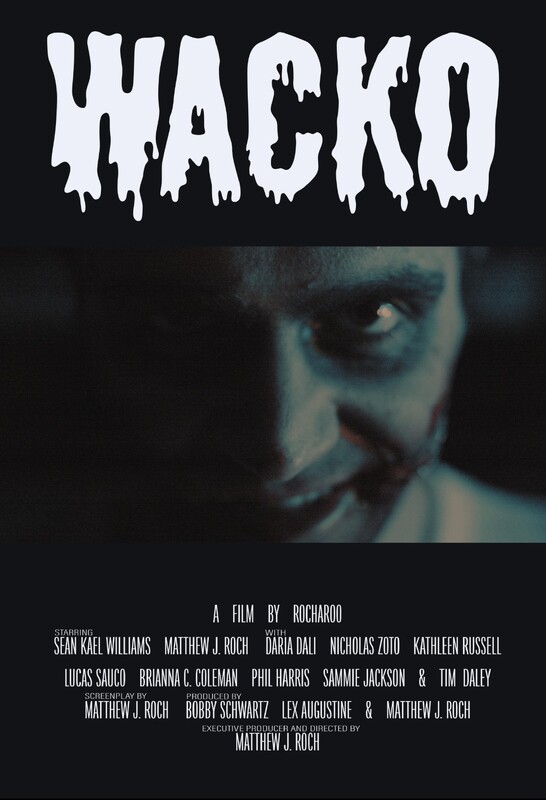
When a suburban family collapses under the weight of envy and betrayal, a vengeful figure takes justice into their own hands, unleashing a chilling psychological reckoning on those they hold responsible.
Movie Review
This film unfolds as a bleak, psychologically freighted thriller that sifts through the residue of childhood trauma, suppressed guilt, and the moral confusion that festers when reconciliation never arrives. It opens with deceptively gentle, almost poetic imagery—“The forest never forgets,” whispers the narrator—before twisting into a claustrophobic drama of captivity and emotional reckoning.
Concept / Originality – 8.5/10
Though the subject of broken childhoods shaping damaged adults is familiar terrain, the film distinguishes itself with its dual narrative: one half memory, one half present-day psychological warfare. Its commitment to unvarnished emotional rawness, illustrated in lines like “Some wounds don’t bleed—they echo,” elevates the concept beyond standard thriller fare.
Structure – 7.5/10
The film alternates between present-day captivity and long, uneasy flashbacks. These shifts can feel abrupt, but the fragmentation mirrors the protagonist’s deteriorating psyche. The structure is intentionally disorienting, reinforcing the theme that memories are not just recalled—they ambush.
A striking transitional moment occurs when young Jimmy mutters, “You think growing up fixes anything?” as the film cuts sharply back to his adult self staring at his captive—an edit that’s jarring in the best narrative sense.
Plot – 8/10
The central plot—two men tethered by the scars of their past—moves with grim inevitability. Rather than relying on twists, the story uses emotional revelations as its detonations. When Jimmy confronts Jack with:
“Do you even remember what you did to me—or did it hurt only on my side?”
the plot shifts from vengeance to tragic self-exposure.
Pacing – 7/10
Some flashbacks linger, but they accumulate meaning. The adolescent sequences, though slow, deepen the emotional gravity of the present. The last 30 minutes accelerate sharply, turning confessions into threats and truths into weapons. This build-up ensures the final confrontation lands with intensity.
Characters – 9/10
Jimmy stands out as a rare antagonist crafted with compassion and horror in equal measure. His vulnerabilities bleed through lines like:
“I waited twenty years for someone to tell me I wasn’t the villain of my own story.”
Jack’s character is equally compelling—flawed, confused, and forced to confront the parts of himself he buried to survive. Their dynamic becomes the film’s emotional engine.
Dialogue – 8/10
The film’s dialogue is its heartbeat—raw, unpredictable, and often painfully real. In captivity scenes, conversations fluctuate between threat and confession:
Jack: “If you wanted me dead, you would’ve done it.”
Jimmy: “Dead men don’t listen.”
These exchanges will likely become quoted by audiences due to their emotional precision and eerie simplicity.
Key Moments Guaranteed to Captivate Audiences
1. The First Real Confrontation in the Cabin
The tension is suffocating as Jimmy removes the blindfold and says softly:
“You were the hero once. Today you get to be honest.”
This scene marks the emotional point of no return.
2. The Teenage Flashback by the Riverside
A beautifully shot sequence with an undercurrent of cruelty where the boys’ dynamic first fractures. Viewers will sense the tragedy before they understand it.
3. The Confession Scene
Jimmy’s voice cracks as he admits:
“I didn’t bring you here to punish you. I brought you here because you’re the only witness to who I became.”
It’s chilling, heartbreaking, and psychologically revealing.
4. The Final Moments in the Forest
A quiet, devastating payoff. No big action—just raw truth and a final choice that forces the audience to question what justice actually means.
Summary Ending
In conclusion, this film is not merely a thriller—it is a psychological excavation of shame, memory, and the ruins of childhood innocence. With its haunting dialogue, intricately damaged characters, and emotionally charged confrontations, it grips viewers not through spectacle but through honesty. The story lingers like a bruise, a reminder that the most terrifying monsters are often the ghosts we carry inside.